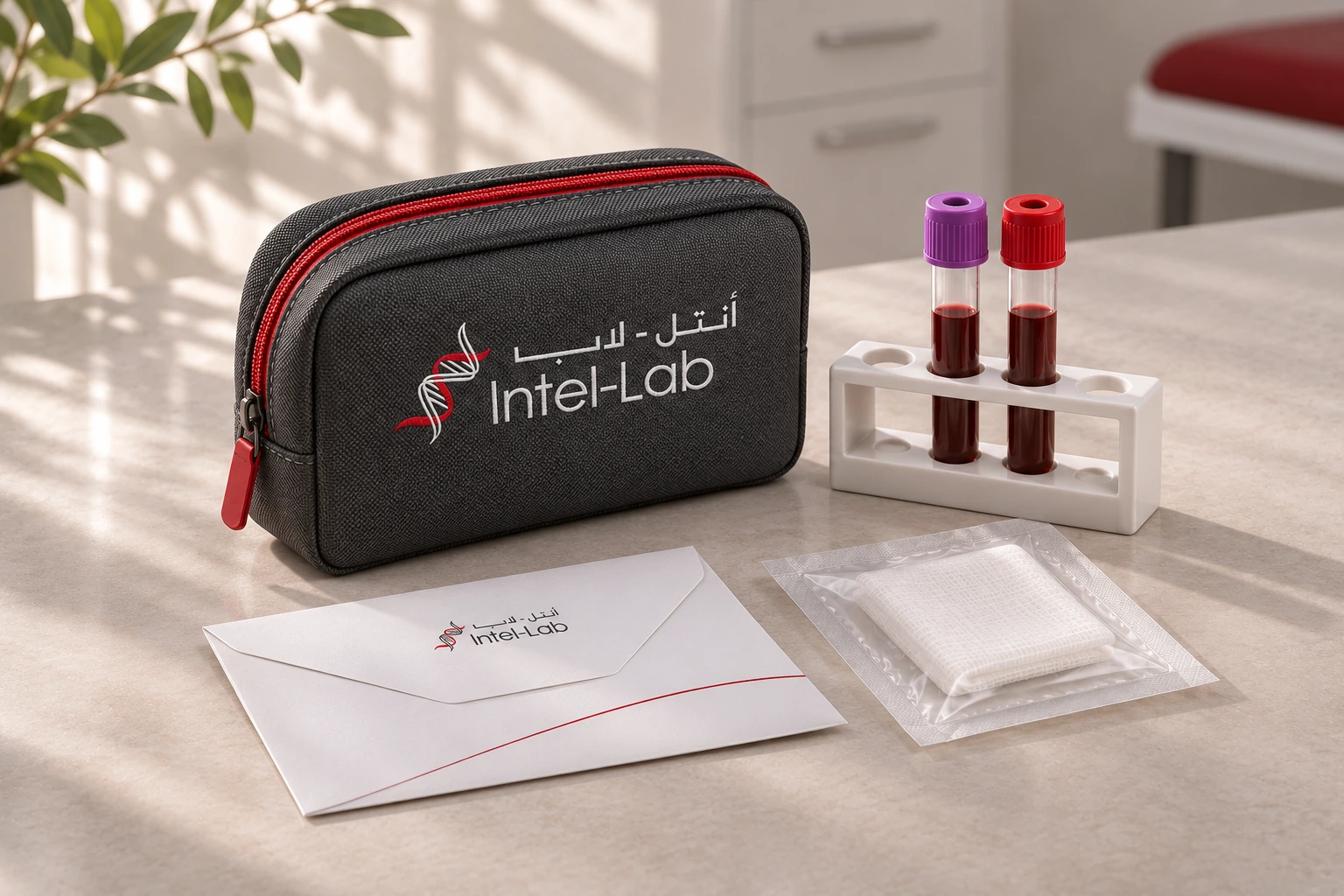
Arrange your collection
Choose your location, add the test to your care bag and select a time. If you are booking for someone else, assign the test to them in checkout.
Choose collection location
Hormones & Fertility · Individual laboratory test
Progesterone rises after ovulation. A carefully timed sample may help assess whether ovulation occurred during a particular cycle.
 Clinical authorDr Nirupama SabhapathySpecialist Clinical Pathology

Understanding the test
Also called Female Reproductive Hormone
Progesterone may be used to assess whether ovulation occurred or in selected pregnancy investigations. The clinician chooses a sampling time for the particular question.
A specimen taken at the right point in a cycle may support evidence that ovulation occurred.
The likely date of the next period is useful when planning a luteal-phase test.
Before your sample
Agree the timing before booking. When the question is ovulation, the clinician often chooses about a week before the next expected period. Other uses have different schedules.
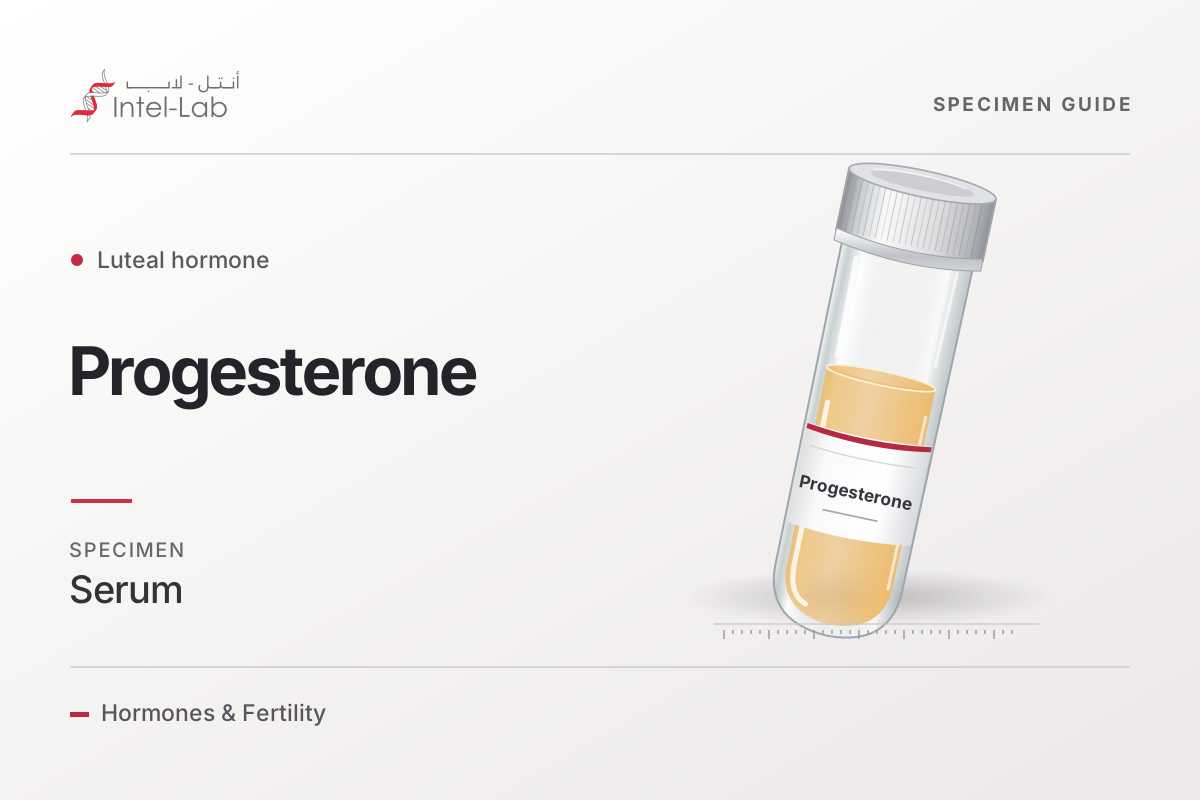
A clinician takes a small sample of blood from a vein. The laboratory uses serum, the liquid separated from the blood after it clots.
Smart Report
24 hoursLaboratory turnaround
 Result guide
The level fluctuates over the cycle. A value taken for ovulation assessment cannot, on its own, establish the location or health of a pregnancy.
From sample to follow-up
Choose your location, add the test to your care bag and select a time. If you are booking for someone else, assign the test to them in checkout.
Choose collection locationLook for Progesterone in your report. Use the sample type and collection time when comparing it with an earlier report.
Explore Smart Report
Bring the collection date and the date of your next period if known. They help the clinician judge whether the sample was taken in the intended window.
Health packages
Compare the other tests in each package before choosing.
Clinical expertise

Patient questions
No. The right collection date depends on when ovulation is expected and the usual length of your cycle. Follow the date set by your clinician.
Most often it is simply ordinary ovulation, with an active corpus luteum in the second half of the cycle. Progesterone taken as a pessary, injection, tablet or some contraceptives also raises it directly. Less often it reflects a corpus luteum cyst that keeps producing the hormone, certain adrenal conditions, or, rarely, an ovarian tumour making the hormone independently of the cycle.
Progesterone is only produced in quantity after an egg is released, so it is naturally low for the first half of the cycle. Sampling roughly a week before the next expected period catches the point where a corpus luteum, if one formed, is most active. Outside that window the result cannot answer the question it was ordered for.
KEEP EXPLORING
Open a package to see exactly which tests it includes.

A focused panel of key female reproductive hormones to assess cycle health, fertility, and hormonal balance, with results in 24 hours

A reproductive hormone panel to evaluate the key drivers of female fertility and hormonal balance.

A targeted panel assessing hormonal, thyroid, lipid and general health markers relevant during the menopausal transition.

A dedicated panel of hormonal, thyroid, lipid and metabolic markers to support the assessment of PCOS.
Choosing for a particular need?
We can help you read the options.
Your next step
Written by Dr Nirupama Sabhapathy, Specialist Clinical Pathology. Medically reviewed by Dr Joyce Jose, Specialist Clinical Pathology, on .
Catalogue information and AED price checked on 2 November 2026. Clinical suitability, preparation, collection arrangements and turnaround are confirmed for your selected test.