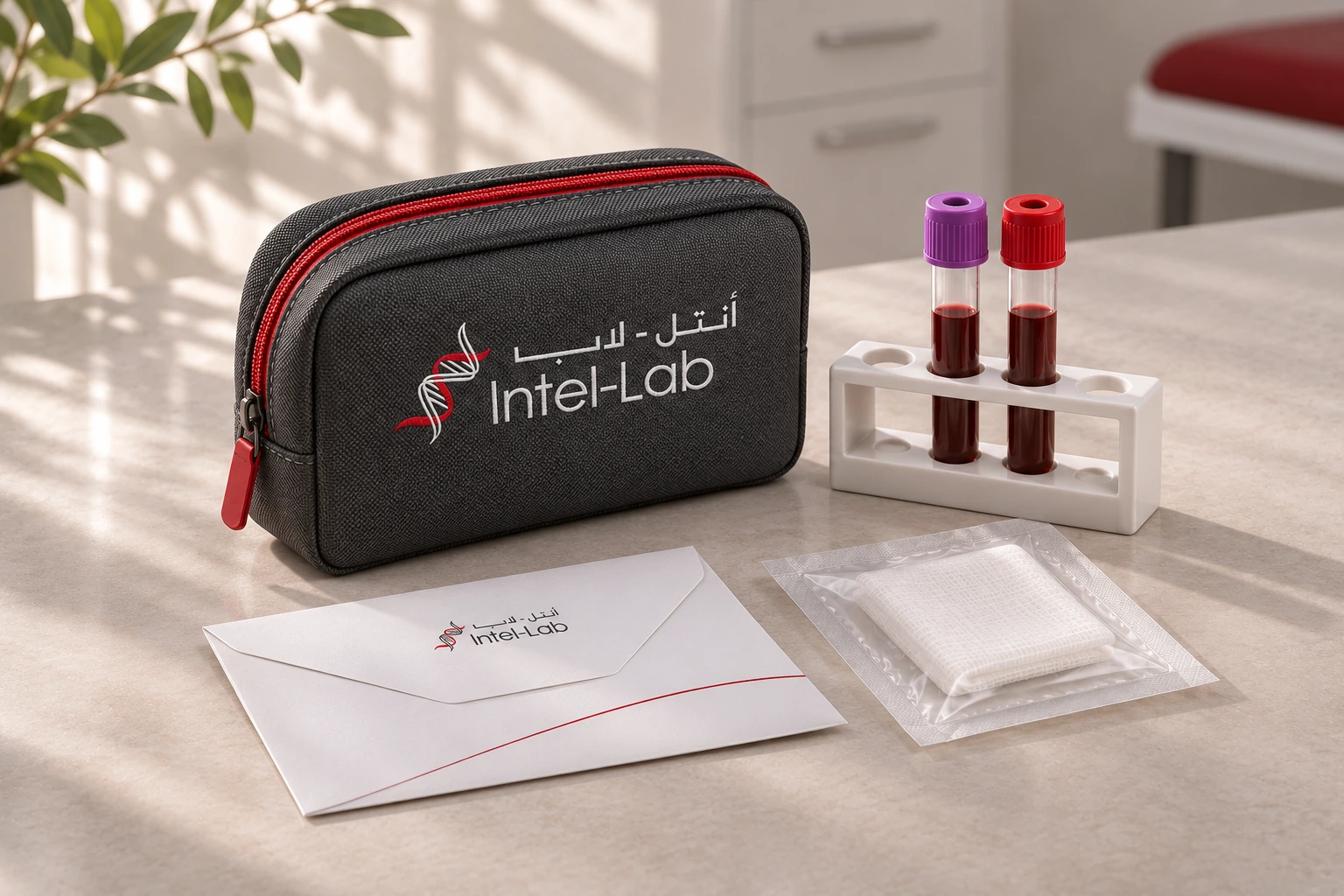
Arrange your collection
Choose your location, add the test to your care bag and select a time. If you are booking for someone else, assign the test to them in checkout.
Choose collection location
Immunology / Serology · Individual laboratory test
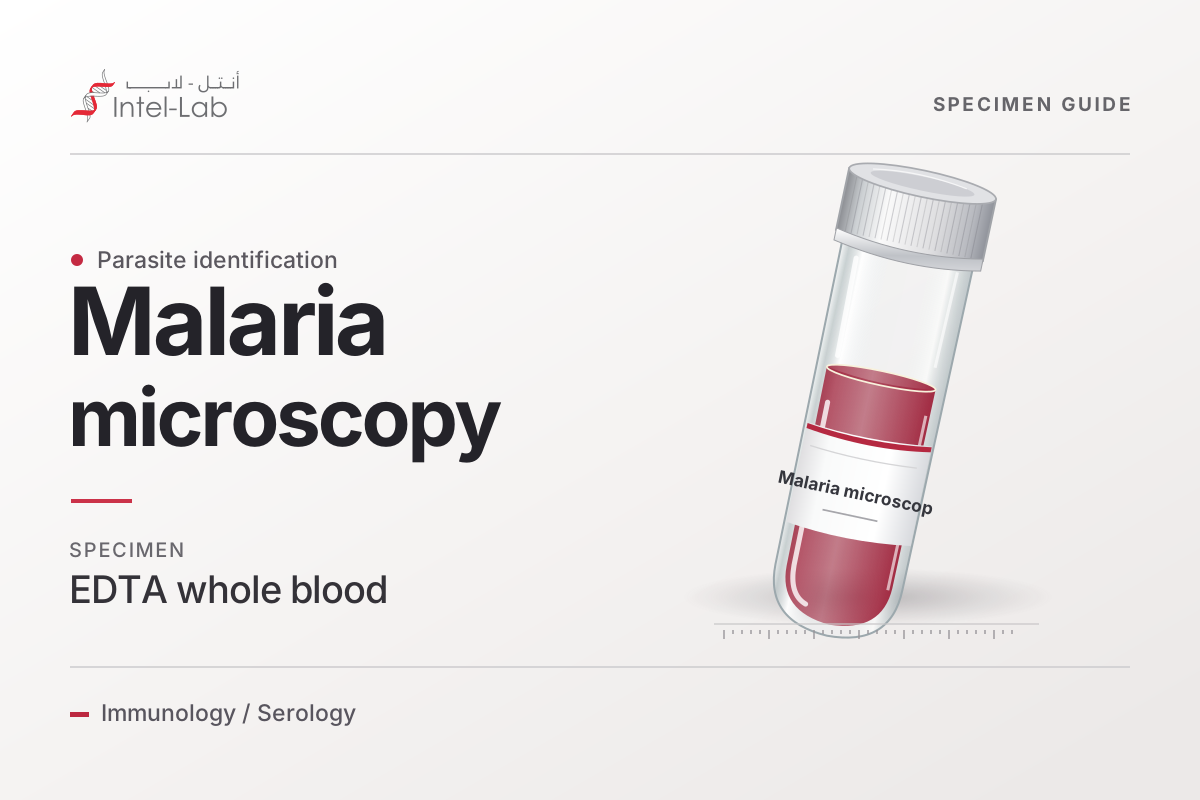
A laboratory examiner looks for malaria parasites in blood and can assess the species and degree of infection. Possible malaria needs urgent medical care.
 Clinical authorDr Nirupama SabhapathySpecialist Clinical Pathology
Understanding the test
Also called Malaria Blood Smear
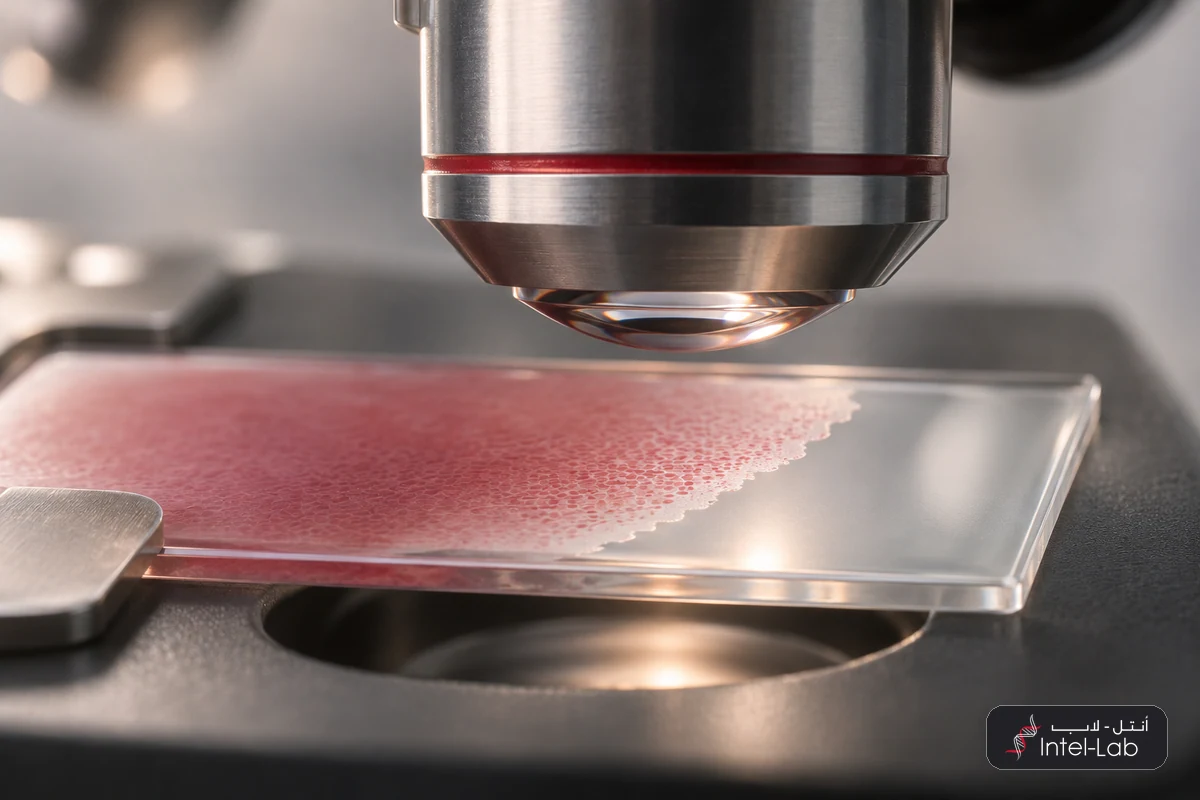
Microscopy is used to look for parasites when malaria is suspected and can provide information about species and burden. Prompt assessment matters because some forms can progress quickly.
Microscopy can help identify parasites in red blood cells and distinguish species.
The laboratory can use a film to examine how extensively red cells are affected.
Before your sample
Testing for suspected malaria should not be delayed for fasting or a routine appointment. Give the clinician your travel dates and any antimalarial medicines taken.
The clinician takes blood from a vein into a tube that keeps it from clotting. The collection team sends the labelled specimen to the laboratory.
Smart Report
24 hoursLaboratory turnaround
 Result guide
A positive finding requires timely treatment by a clinical team. Low parasite levels can be missed in an initial sample.
From sample to follow-up
Choose your location, add the test to your care bag and select a time. If you are booking for someone else, assign the test to them in checkout.
Choose collection locationLook for Malarial Parasite Detection/Identification in your report. Use the sample type and collection time when comparing it with an earlier report.
Explore Smart Report
Give the assessing clinician the original film result and a record of any preventive or treatment medicines taken around travel.
Clinical expertise

Patient questions
A single specimen can miss infection. A clinician may arrange repeat testing when symptoms and travel history still suggest malaria.
The thick film concentrates a larger volume of blood so scarce parasites can be found, while the thin film keeps the red cells intact so the species can be identified and the parasite burden assessed. They answer different questions and are read together.
Yes. Antimalarial medicine taken before the sample, even a single dose or a partial course, can reduce parasites below the level microscopy can find, making the film harder to read and a negative result less reliable. Tell your doctor about any recent antimalarial treatment and whether you used prophylaxis during travel.
KEEP EXPLORING
Open a package to see exactly which tests it includes.

Blood count, liver, kidney, cholesterol, blood sugar and urine tests: the essentials in one visit.
A complete blood count with liver enzymes, cholesterol, kidney markers and fasting blood sugar from one blood sample.

A broad whole-body screen covering blood, urine and stool with kidney, liver, lipid, iron, diabetes and vitamin markers.

A whole-body screen of blood, urine and stool with kidney, liver, lipid, iron, diabetes and vitamin markers, plus thyroid function and a full…
Choosing for a particular need?
We can help you read the options.
Your next step
Written by Dr Nirupama Sabhapathy, Specialist Clinical Pathology. Medically reviewed by Dr Joyce Jose, Specialist Clinical Pathology, on .
Catalogue information and AED price checked on 2 November 2026. Clinical suitability, preparation, collection arrangements and turnaround are confirmed for your selected test.