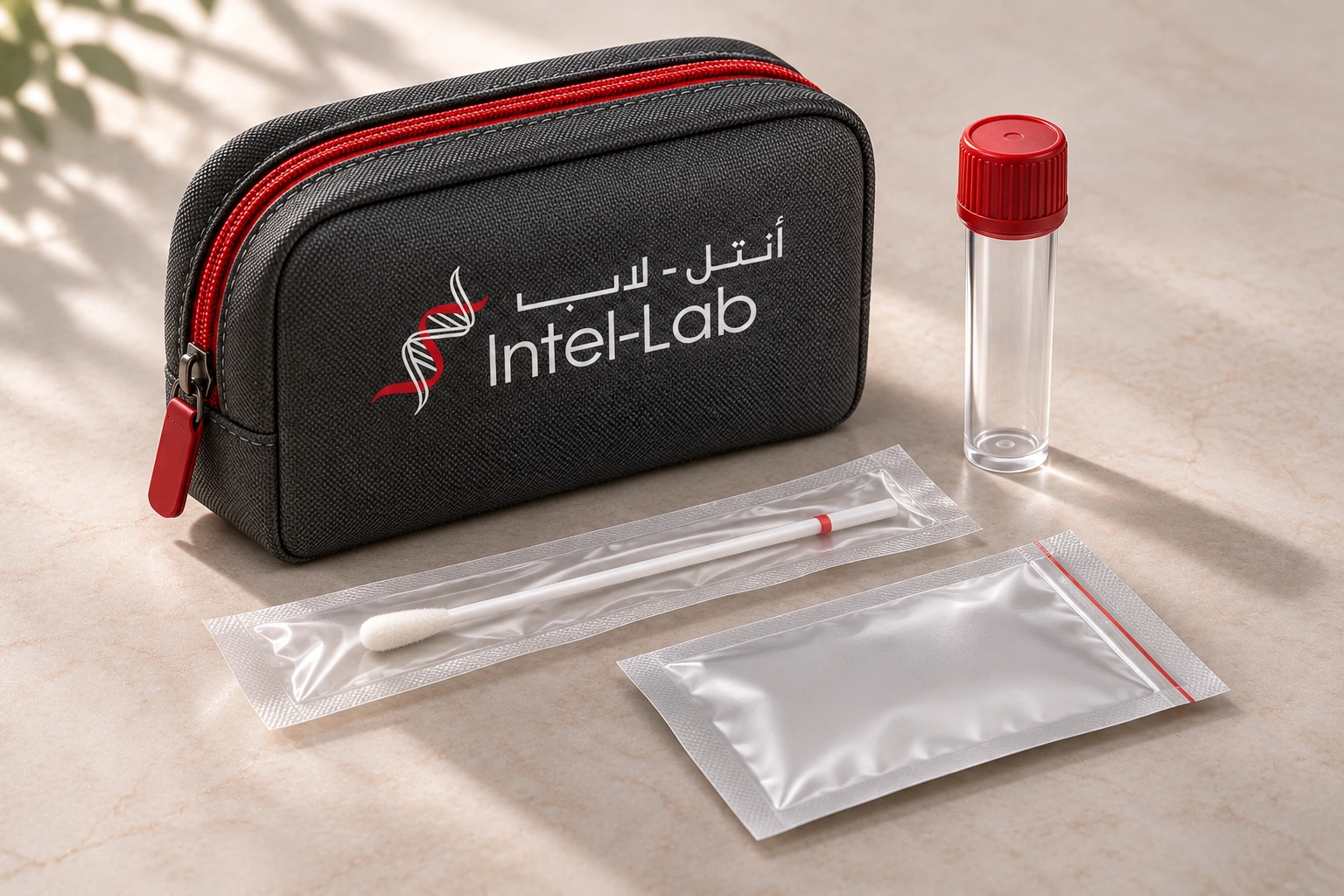
Arrange your collection
Choose your location, add the test to your care bag and select a time. If you are booking for someone else, assign the test to them in checkout.
Choose collection location
Microbiology & PCR · Individual laboratory test
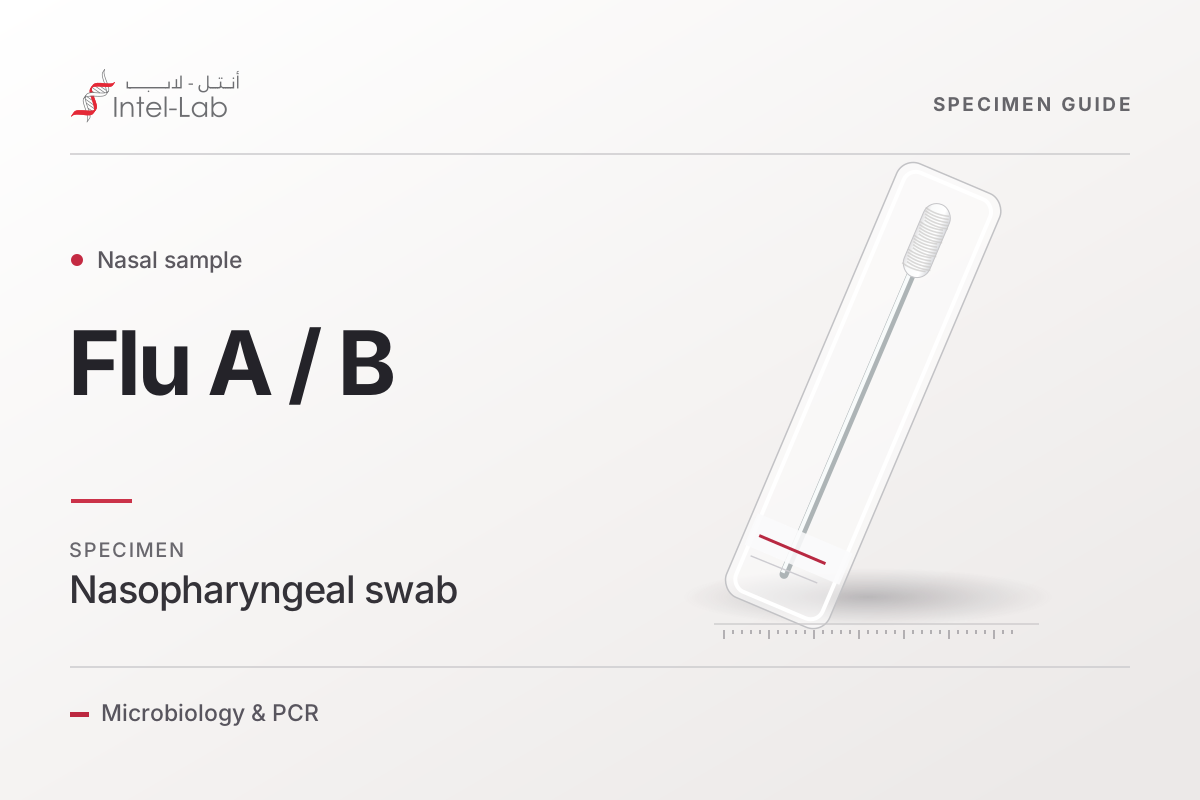
This nasal swab looks for proteins from influenza A and B. It is an antigen test and differs from a molecular respiratory panel.
 Clinical authorDr Nirupama SabhapathySpecialist Clinical Pathology

Understanding the test
Also called Flu A & B Antigen (Nasal)
A nasal antigen test can contribute to the assessment of a flu-like illness. The decision to test or treat also depends on illness timing and the person's risk of complications.
The rapid antigen test checks for influenza A and B in the specimen collected.
Symptoms, swab quality and circulating influenza affect how much confidence to place in a negative result.
Before your sample
No fasting is needed for the nasal swab. Give the day symptoms began and mention antiviral medicines; sampling time affects the chance of detection.
A trained professional takes a sample from the nose using the swab specified for this test. You may briefly feel discomfort or watery eyes.
Smart Report
24 hoursLaboratory turnaround
 Result guide
The test differentiates A and B antigen. A negative result is less conclusive than a positive one when symptoms and local flu activity strongly suggest influenza.
From sample to follow-up
Choose your location, add the test to your care bag and select a time. If you are booking for someone else, assign the test to them in checkout.
Choose collection locationLook for Influenza Virus A & B Antigen, Nasal Swab in your report. Use the sample type and collection time when comparing it with an earlier report.
Explore Smart Report
Share the date symptoms began. If a negative antigen result conflicts with a flu-like illness, ask whether clinical review or molecular testing is appropriate.
Clinical expertise

Patient questions
A rapid antigen test can miss influenza. Your clinician considers when symptoms began and whether additional testing or treatment is appropriate.
Detected means influenza antigen was found on your nasal swab, reported separately for influenza A and B. During flu season this is dependable evidence of infection, because the test is more specific than it is sensitive. When influenza is barely circulating, a positive result is more likely to be misleading, so your doctor reads it against what is going around locally.
Both use a swab, but they detect different things. The antigen test looks for influenza proteins and is fast, while PCR detects the virus's genetic material and is considerably more sensitive. A positive antigen result in flu season is usually reliable, but a negative one may be followed by PCR when influenza is circulating widely.
Contact your maternity clinician promptly. Pregnancy increases the risk of flu complications. A clinician may start antiviral treatment for suspected flu before the result is available, and a negative rapid test does not by itself rule out flu.
KEEP EXPLORING
Open a package to see exactly which tests it includes.

A 10-target real-time PCR panel for the core cold and flu viruses (influenza A and B strains, RSV, parainfluenza and adenovirus) from a single nasal…

A 19-target respiratory PCR panel: everything in the Essential screen plus seasonal coronaviruses, rhinovirus, enterovirus, bocavirus, human…

Our most complete respiratory PCR screen: 27 targets covering 19 viruses plus 8 key respiratory bacteria including Streptococcus pneumoniae,…
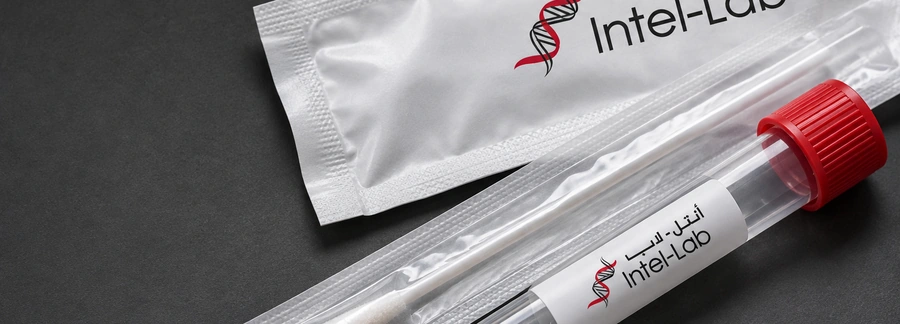
A gold-standard real-time RT-PCR test for SARS-CoV-2 from a single nasal swab, with results in 24 hours.
Choosing for a particular need?
We can help you read the options.
Your next step
Written by Dr Nirupama Sabhapathy, Specialist Clinical Pathology. Medically reviewed by Dr Joyce Jose, Specialist Clinical Pathology, on .
Catalogue information and AED price checked on 2 November 2026. Clinical suitability, preparation, collection arrangements and turnaround are confirmed for your selected test.