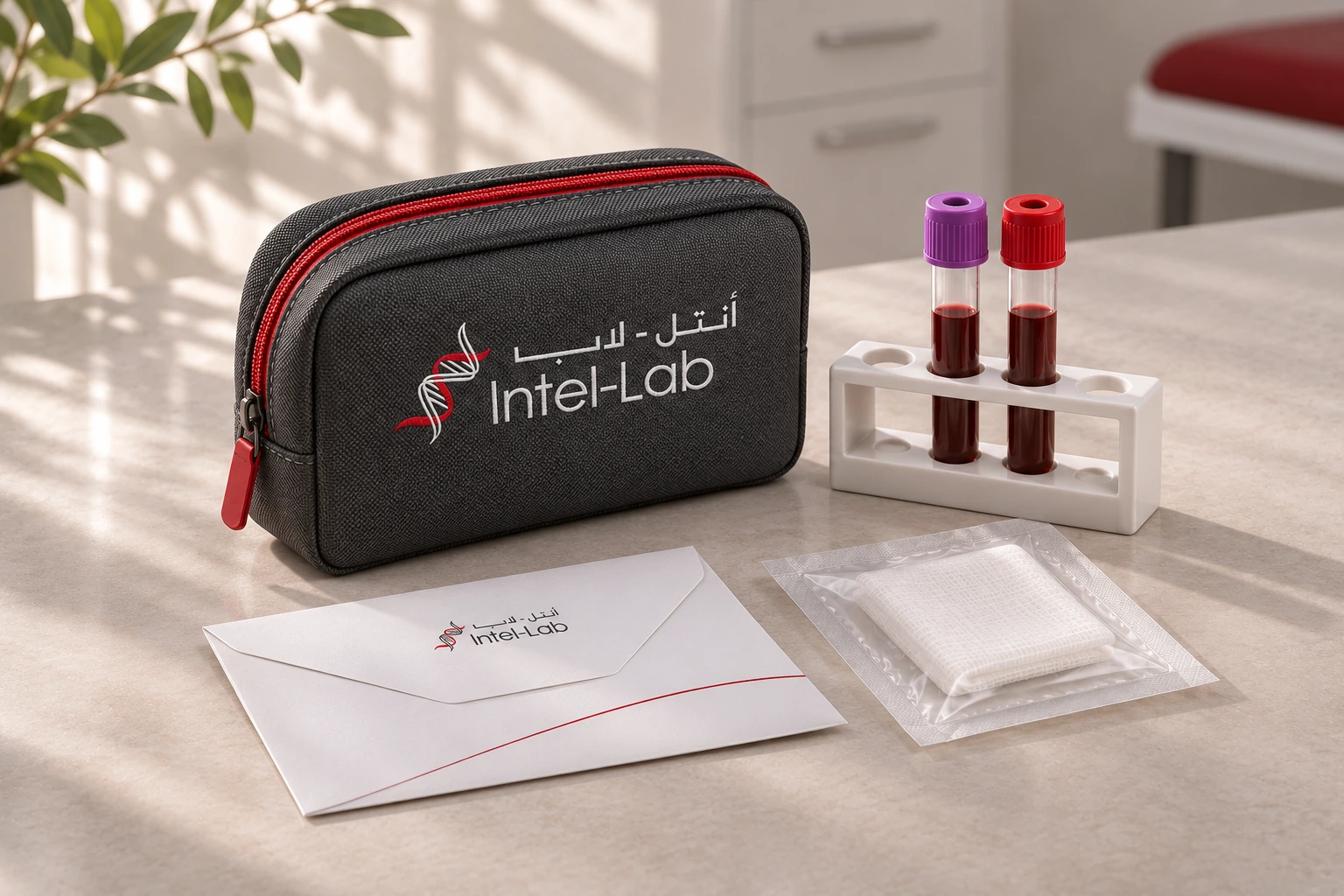
Arrange your collection
Choose your location, add the test to your care bag and select a time. If you are booking for someone else, assign the test to them in checkout.
Choose collection location
Cardiac · Individual laboratory test
Creatine kinase enters blood when muscle is stressed or damaged. Its level may help investigate muscle pain, weakness or a suspected medicine-related effect.
 Clinical authorDr Nirupama SabhapathySpecialist Clinical Pathology

Understanding the test
Also called Muscle & Heart Enzyme
CPK can help assess unexplained weakness or muscle pain, including in people taking a medicine that can affect muscle. Exercise and injuries are useful details to share.
The measurement can add information to the history and examination.
When muscle symptoms develop during treatment, the clinician may check whether CPK is raised.
Before your sample
Fasting is unnecessary. Avoid unusually vigorous exercise, heavy lifting and training for a few days before a planned baseline draw. Tell the team about muscle injury, injections, symptoms or statin treatment.
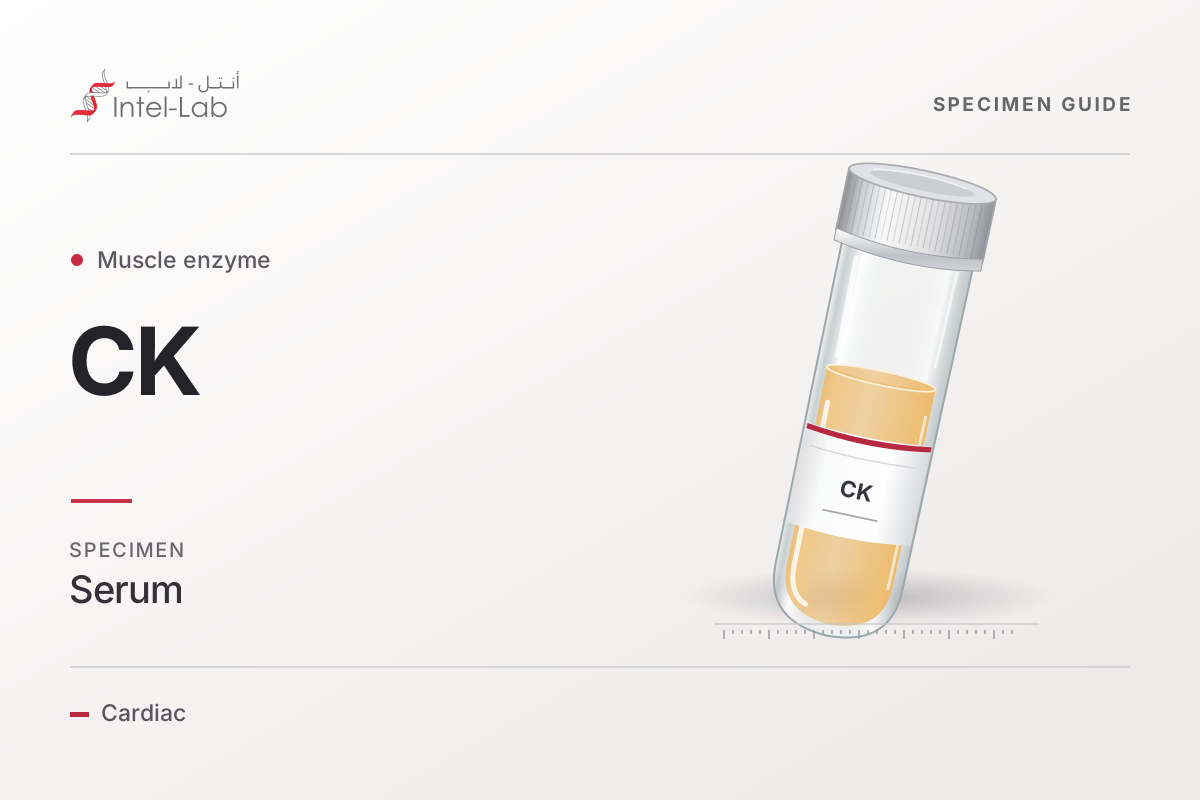
A clinician takes a small sample of blood from a vein. The laboratory uses serum, the liquid separated from the blood after it clots.
Smart Report
24 hoursLaboratory turnaround
 Result guide
Higher levels may reflect muscle injury, but total CPK alone cannot locate it. The assessment also considers symptoms, kidney function and how the value changes.
From sample to follow-up
Choose your location, add the test to your care bag and select a time. If you are booking for someone else, assign the test to them in checkout.
Choose collection locationLook for Creatine Kinase (CPK) in your report. Use the sample type and collection time when comparing it with an earlier report.
Explore Smart Report
Note the timing of muscle pain, unusual training, injury or medication changes in relation to the blood draw.
Health packages
Compare the other tests in each package before choosing.
Clinical expertise

Patient questions
Yes. Tell the clinician when you exercised and when symptoms started. The result alone cannot identify the cause or location of muscle injury.
People with less muscle mass can have a lower baseline CK. If you are being tested for persistent weakness or pain, tell your clinician how the symptoms have changed. A low or normal total CK alone does not explain them.
No. Total CPK shows that muscle somewhere has released the enzyme, but not whether it came from skeletal muscle or the heart. Separating the two needs a different or additional test, and for chest pain troponin is the test that answers the question. Your doctor uses your symptoms and examination to work out the likely source.
Seek immediate medical care if your muscles hurt much more than expected, you feel unusually weak, or your urine turns tea- or cola-coloured. These can be signs of rhabdomyolysis, a form of muscle breakdown that can injure the kidneys.
KEEP EXPLORING
Open a package to see exactly which tests it includes.

A metabolic and hormonal panel to investigate the underlying drivers of weight gain and metabolic health.

Our most complete checkup: everything in Elite plus advanced cardiac and metabolic markers (hs-CRP, homocysteine, insulin and more).

An in-depth cardiovascular risk panel combining advanced cardiac markers with a full general health screen.

Total cholesterol, HDL, directly measured LDL, VLDL and triglycerides from one blood sample.
Choosing for a particular need?
We can help you read the options.
Your next step
Written by Dr Nirupama Sabhapathy, Specialist Clinical Pathology. Medically reviewed by Dr Joyce Jose, Specialist Clinical Pathology, on .
Catalogue information and AED price checked on 2 November 2026. Clinical suitability, preparation, collection arrangements and turnaround are confirmed for your selected test.