01Work
Sitting and desk work
Describe how long a task is comfortable, what changes the symptoms and whether work can be varied. Your usual setup gives useful context for the assessment.

Back & neck pain · Dubai
Back pain can change how you sit, work, sleep and move through the day. A home physiotherapy assessment connects the symptoms with the activities you want to regain, then builds an individual plan around the findings and your response.

 Clinical author assignmentDr Toqa IbrahimTwo clinical perspectivesProfiles & DHA directory links Guidance with sourcesExplore the references
Movement assessment & rehabilitation
Start with the initial assessment, choose one session or explore a ten-session plan. The right treatment and number of sessions depend on your assessed needs; selecting a bundle is not a clinical prescription.
Your discussion priorities
Use everyday activities to explain what you want to improve. Choose the priorities you would like to discuss; this does not generate exercises.
Describe how long a task is comfortable, what changes the symptoms and whether work can be varied. Your usual setup gives useful context for the assessment.
Explain distance, confidence and any leg symptoms. The clinician considers your current capacity before agreeing a practical goal.
Discuss getting in or out of a chair, bed or car. Identify the movement that worries you rather than forcing it to demonstrate pain.
Mention the daily activities you need to manage, including caring responsibilities. The plan should fit those demands and your available support.
Tell the clinician about your previous activity, current limitations and expectations. Return is guided by assessment and response, not a universal timetable.
Pain can make movement feel uncertain. Discuss your concerns and previous experiences so explanations and goals are meaningful to you.
Your discussion list
Choose the points you would like to discuss.
Understand the care
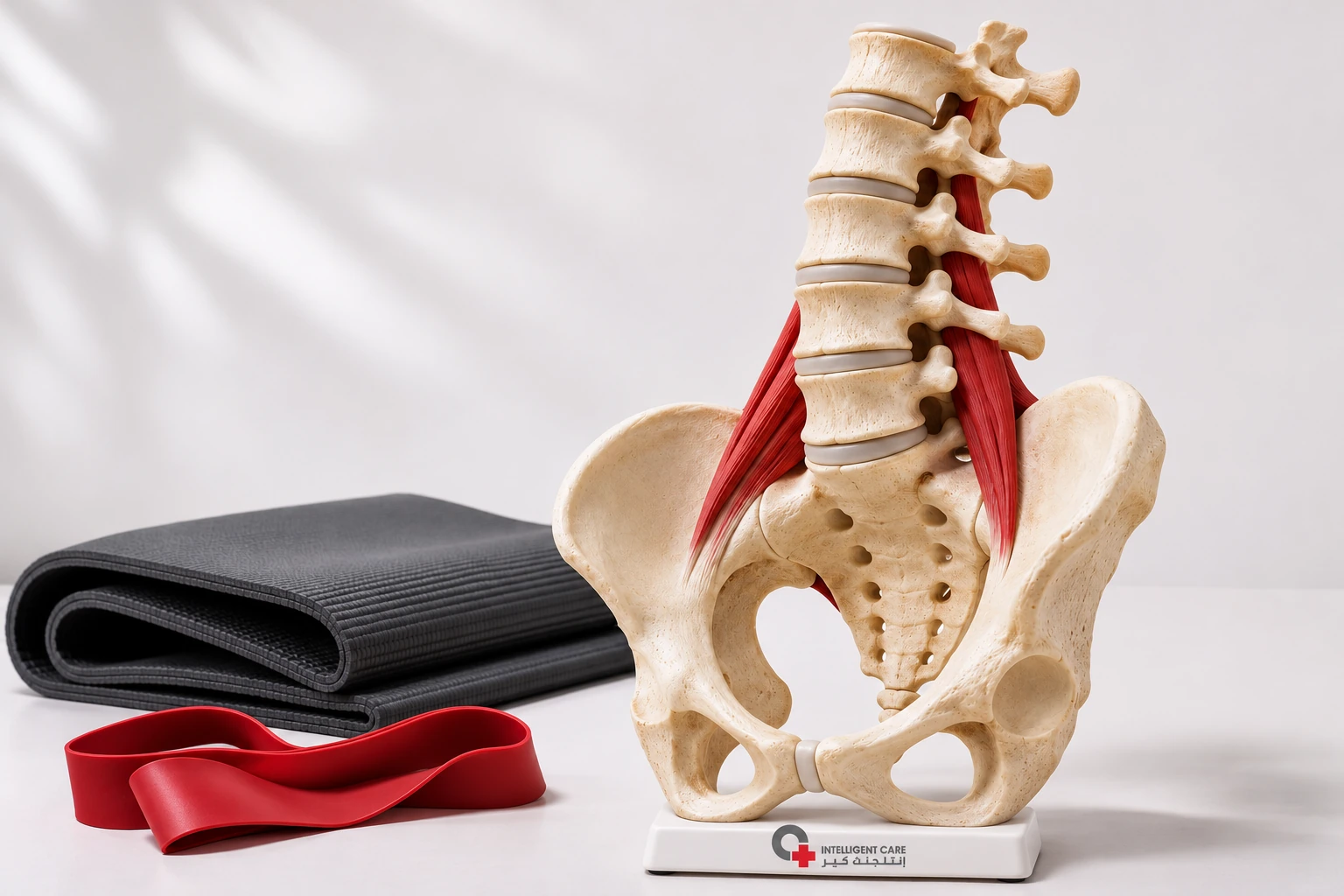
Back pain is common and may affect the lower back, extend into the buttock or leg, or vary with activities and positions. The pattern alone does not reliably identify a particular structure or establish a diagnosis.
The first assessment considers how the pain started, how it behaves, your health history and its effect on function. It also looks for features that need medical investigation or a different care route. A clinician may recommend referral rather than treatment at home.
For many people, a plan includes education, appropriate activity and exercises tailored to the assessment. Imaging is not routinely recommended in a non-specialist setting for low back pain; a clinician considers whether an investigation would change management.
Read the clinical sourcesThe first assessment
The assessment relates movement to your goals. You should understand the purpose of what you are asked to do and be able to raise concerns at any point.

THE CLINICAL CONVERSATION01—04
Onset, symptom behavior, previous episodes, medical history, sleep and daily demands help shape the assessment.
The physiotherapist considers concerning features and whether a medical review is needed before proceeding.
Observation and appropriate tests may explore movement, strength, function and nerve-related symptoms. The exact tests depend on the presentation.
Discuss a manageable starting point, what progress could look like and how to review the response rather than choosing a fixed package first.
The care pathway
The sequence can move forwards or pause for reassessment. There is no promised number of sessions or recovery deadline.
Describe a meaningful task and assess the current starting point.
Agree appropriate guidance and a manageable activity or exercise approach.
Discuss changes in function, confidence and symptoms between sessions.
Plan continued activity and any further review or referral.
Explore a stage to bring it into focus. Every stage stays visible.
What the care involves
Techniques should serve the goal and reflect the evidence. They are not a menu to apply to every back-pain episode.
| Approach | Purpose in a plan | Decision to discuss |
|---|---|---|
| 01Education and self-management | Explain the assessment, appropriate activity and how to understand the plan. | What does this mean for the tasks I need to do? |
| 02Individual exercise | Select movement or strengthening work that fits the person’s capacity and clinical findings. | What is the correct version for me, and how will it be reviewed? |
| 03Activity progression | Build participation according to response and the agreed goal. | What should guide progression or an adjustment? |
| 04Manual therapy | May be considered as part of a package that includes exercise, when appropriate. | How does this support the active part of my plan? |
| 05Medical referral | Seek another assessment when symptoms, findings or progress require it. | Which question needs a doctor or specialist to address? |
Evidence matters: NICE recommends an individual active approach. Manual therapy is considered within an exercise package; routine TENS and therapeutic ultrasound are not recommended for low back pain. Read the guidance
Before care arrives
Prepare a comfortable setting and relevant information. You do not need to buy equipment or test painful movements before the visit.

A personal reminder list.
Nothing is sent or saved.
Care around the person
A useful home plan fits the person’s responsibilities and available help. Family involvement should support the patient’s goals and preferences.

Ask what practical support would make the plan easier, such as organizing appointments or temporarily sharing a demanding task. Avoid assuming the person should stop every activity.
Follow the individualized advice provided by the physiotherapist. A relative’s exercises, online routine or previous programme may not suit this episode.
Report new neurological symptoms, deterioration or a plan that is not manageable. Review is part of care, not a failure to follow the original schedule.
Continuity of care
Pain is one part of progress. Use the agreed goal to discuss changes without turning every day into a test.
Is the task becoming more manageable, or are you doing it with less assistance?
Do you understand the plan and feel able to use the guidance appropriately?
Which parts were manageable, which aggravated symptoms, and what changed afterwards?
Should the plan continue, change or prompt another clinical review? Ask what would guide that choice.
People and responsibilities
Physiotherapy can sit alongside medical care. Clear communication helps each professional understand the reason for their involvement.
Assesses function, agrees rehabilitation goals and adapts an appropriate plan to the response.
Reviews symptoms or health concerns that need medical diagnosis, treatment or further investigation.
Provides condition-specific restrictions or follow-up when an existing diagnosis or operation requires it.
Coordinates the agreed service and practical arrangements, including other support when requested.
Read the real team profiles and their professional-directory references. Your assigned professional and the scope of care are confirmed through the care arrangement.
Meet our clinical teamWhen to seek medical help
Seek urgent assessment for concerning changes. These examples are not an exhaustive list.
Immediate medical attention
Prompt clinical assessment
Practical arrangements
Choose a free initial assessment, one home session or a ten-session plan. Discuss whether the selected option suits your needs; buying more sessions does not guarantee a particular recovery.
Share the building or hotel, access instructions and any stairs or transfer difficulties. Tell the team about space, equipment and communication needs before the visit.
The ten-session plan books the first appointment now; arrange later sessions with the team. Insurance eligibility and any required documents are checked for the individual policy, not presumed from the service name.
Your questions
Not routinely for low back pain in a non-specialist setting. A clinician considers whether imaging is needed and whether it would change care. Bring existing relevant reports; do not order a scan solely to complete a booking.
No standard programme is prescribed by this page. Exercise selection and progression depend on your assessment, capacity and goals. Ask for individualized instruction from the treating physiotherapist.
Manual therapy may be considered as part of a package that includes exercise. Ask how any hands-on technique supports the wider active plan and your functional goals.
Ask the clinician about the activities relevant to your situation. General guidance often supports continuing suitable activity, but this page cannot assess your symptoms, restrictions or a safe individual progression.
Tell the clinician about the location, numbness, weakness and changes over time. Some leg symptoms can be assessed in physiotherapy, while certain neurological warning signs need urgent medical assessment first.
The assessment and response guide that decision. Discuss goals, review points and the reason for further sessions. No fixed count or recovery deadline is promised.
It may be part of a postoperative plan. Share the procedure, restrictions and surgeon’s instructions before arranging care. The rehabilitation approach must reflect those instructions and the individual assessment.
The initial assessment, single home session and ten-session plan are separate shared booking options. An assessment helps establish appropriate goals and whether physiotherapy suits the presentation. A ten-session plan schedules the first appointment now and the remaining visits with the team; it does not promise a recovery outcome.
Expertise with a name
Explore the named clinical profiles, their professional roles and their Dubai Health Authority directory records.
Author assignment
General Practitioner
Dr Toqa Ibrahim is a DHA-licensed General Practitioner with Alpha Intelligent Care Home Healthcare Center. Her clinical profile brings the general-practice perspective into our approach to care at home.

Review assignment
Specialist Clinical Pathology
Dr Nirupama Sabhapathy is a DHA-licensed Specialist in Clinical Pathology at Intel Lab. Her published Intel Lab profile describes more than 25 years in medicine and her role as Laboratory Director.
Professional registration describes each clinician’s role. The clinical assessment and the person responsible for your care are confirmed separately.
More care guides


The wider picture
Explore related support, or speak to us about combining services into one plan.
About this guide
General information supports the care conversation; your own assessment determines the plan. Company service information and independent clinical guidance are listed separately below.
Care that comes to you
Across Dubai.
Abu Dhabi — coming soon.