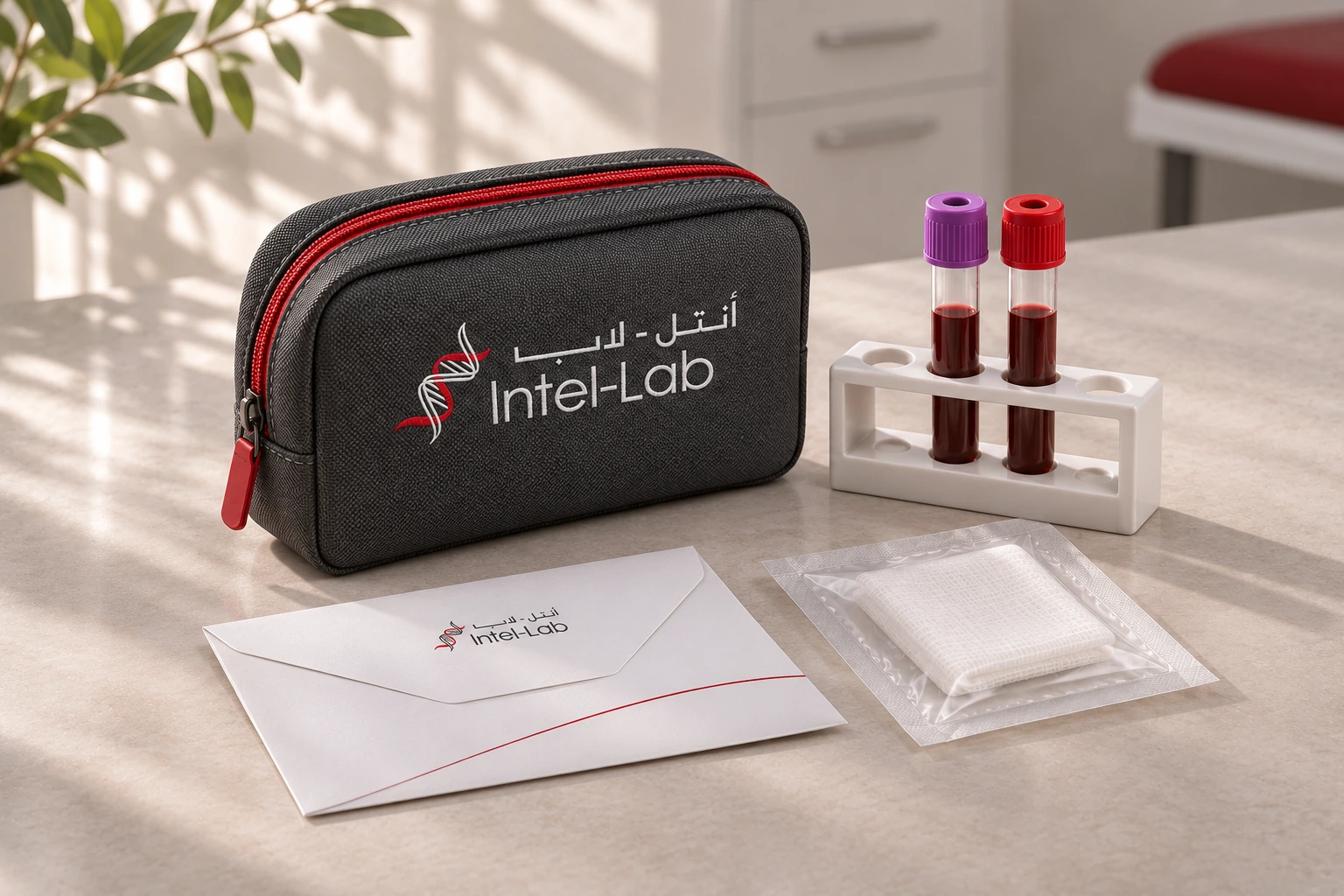
Arrange your collection
Choose your location, add the test to your care bag and select a time. If you are booking for someone else, assign the test to them in checkout.
Choose collection location
Biochemistry · Individual laboratory test
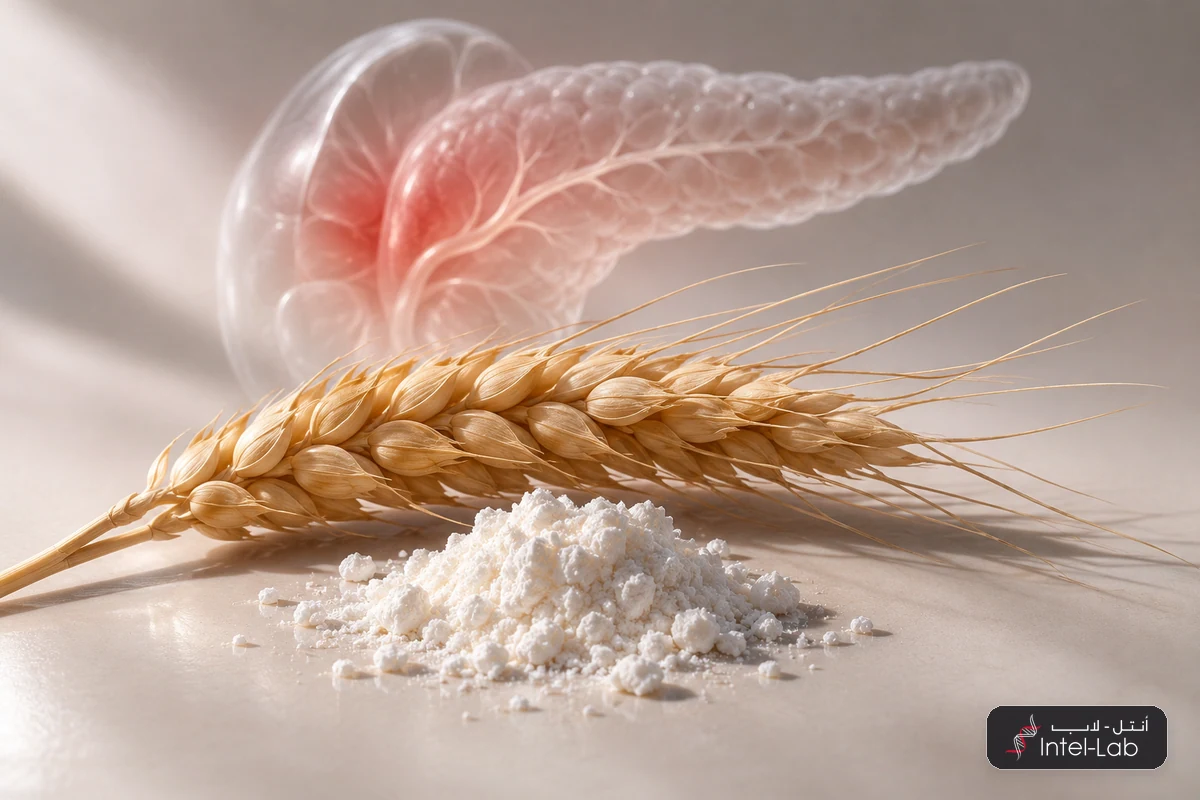
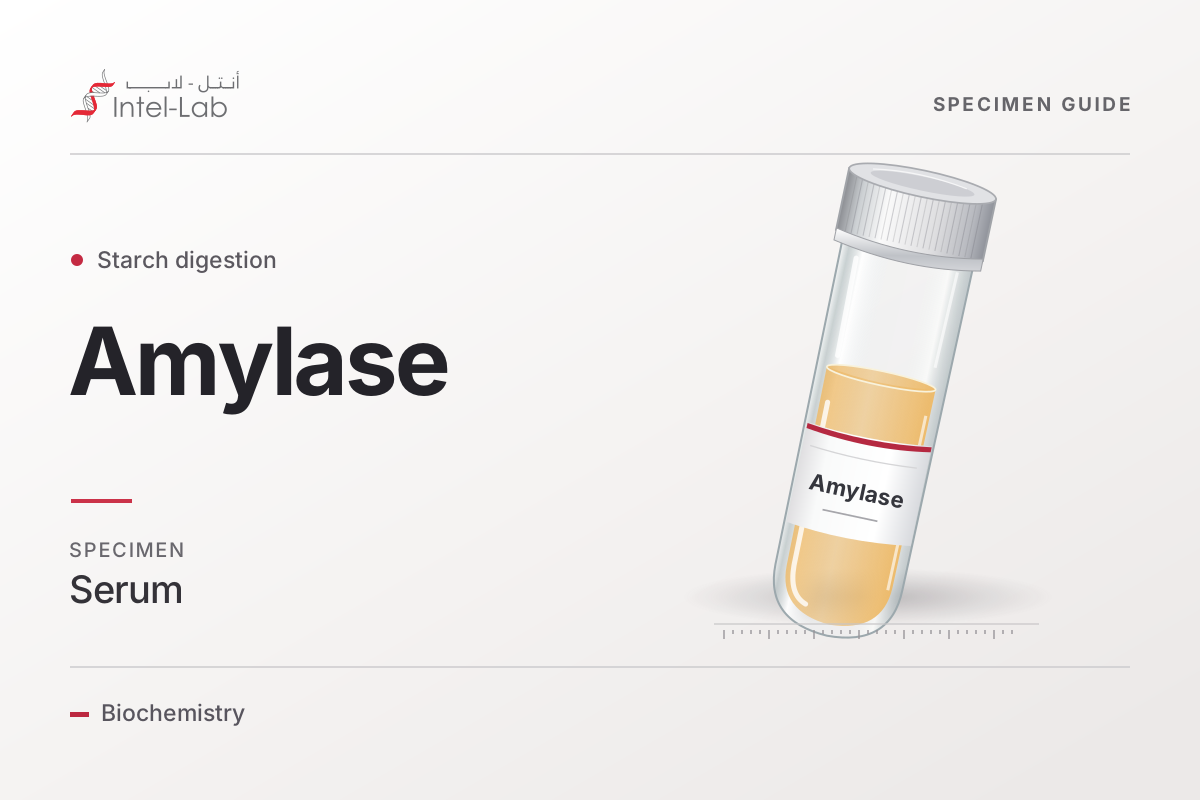
Amylase breaks down starch and is made by the pancreas and salivary glands. A blood measurement can contribute to the investigation of abdominal symptoms.
 Clinical authorDr Nirupama SabhapathySpecialist Clinical Pathology
Understanding the test
Also called Pancreatic Enzyme (Amylase)
A clinician may use amylase when abdominal symptoms suggest a pancreatic or salivary gland problem. The time between the start of symptoms and the blood draw is useful to record.
Amylase can supplement an assessment of abdominal pain when pancreatic inflammation is being considered.
Swollen or inflamed salivary glands can also contribute to the blood result.
Before your sample
For a planned assessment, ask the team whether your full order calls for an overnight fast. Report recent alcohol intake and medicines. Do not delay urgent assessment of severe abdominal pain to fast.
A clinician takes a small sample of blood from a vein. The laboratory uses serum, the liquid separated from the blood after it clots.
Smart Report
24 hoursLaboratory turnaround
 Result guide
An isolated increase cannot identify the organ responsible. Symptoms, lipase and sometimes imaging are more informative than comparing the number with a reference interval alone.
From sample to follow-up
Choose your location, add the test to your care bag and select a time. If you are booking for someone else, assign the test to them in checkout.
Choose collection locationLook for Amylase in your report. Use the sample type and collection time when comparing it with an earlier report.
Explore Smart Report
Record the time abdominal symptoms began and whether lipase was also measured. Tell your clinician if pain is ongoing or worsening.
Clinical expertise

Patient questions
Several tissues contribute to the result. If the pancreas is the concern, lipase, the time your pain began and a clinical examination can clarify the picture.
The number alone cannot tell you how severe pancreatitis is. Amylase may also rise with a salivary gland problem or kidney disease. Symptoms, examination and other tests help the clinician identify the source and assess how unwell you are.
A low amylase is usually not a concern. It matters mainly where enzyme-producing tissue has been lost, as in long-standing chronic pancreatitis, cystic fibrosis affecting the pancreas, or after surgical removal of part of the pancreas. In someone without these conditions, a low result is rarely investigated further.
KEEP EXPLORING
Open a package to see exactly which tests it includes.

Blood count, liver, kidney, cholesterol, blood sugar and urine tests: the essentials in one visit.
A complete blood count with liver enzymes, cholesterol, kidney markers and fasting blood sugar from one blood sample.

A broad whole-body screen covering blood, urine and stool with kidney, liver, lipid, iron, diabetes and vitamin markers.

A whole-body screen of blood, urine and stool with kidney, liver, lipid, iron, diabetes and vitamin markers, plus thyroid function and a full…
Choosing for a particular need?
We can help you read the options.
Your next step
Written by Dr Nirupama Sabhapathy, Specialist Clinical Pathology. Medically reviewed by Dr Joyce Jose, Specialist Clinical Pathology, on .
Catalogue information and AED price checked on 2 November 2026. Clinical suitability, preparation, collection arrangements and turnaround are confirmed for your selected test.