
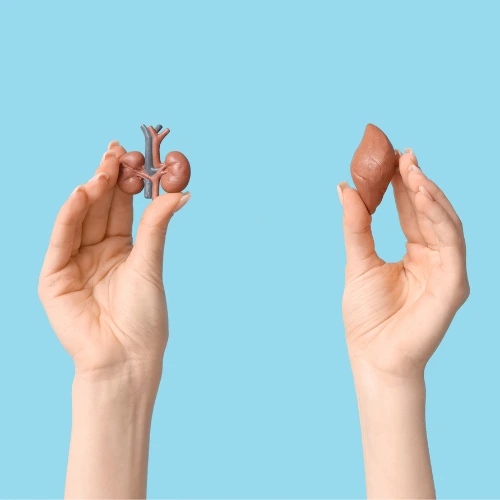
The Organs That Work Around the Clock
Somewhere beneath your ribs and along your lower back, two of the hardest-working organs in your body are quietly getting on with their jobs, right now, without asking for a moment’s rest. Your kidneys and liver perform hundreds of essential functions every single day, filtering, processing, balancing, and protecting, all without you feeling a thing.
That silence is exactly what makes these organs so easy to overlook. Many kidney and liver conditions develop gradually over months or years, often without any noticeable symptoms until the condition has progressed considerably. This is why preventive care and regular health screenings matter so much when it comes to organ health.
The encouraging part is that protecting your kidneys and liver does not require dramatic changes. It starts with small, everyday habits, supported by the occasional health check to make sure everything is working as it should.
Why Your Kidneys and Liver Matter
The Kidneys
Your kidneys are two bean-shaped organs, each about the size of a fist, positioned on either side of your spine. Despite their modest size, they carry out an extraordinary range of tasks:
- Filtering waste products and excess substances out of your blood
- Balancing the fluid levels in your body
- Maintaining the correct levels of electrolytes, such as sodium and potassium
- Helping regulate blood pressure
- Supporting the production of red blood cells
Every day, your kidneys filter a significant volume of blood, removing waste and returning clean, balanced blood back into circulation. When kidney function declines, waste products can build up in the body, and this process, known as chronic kidney disease, often has few or no symptoms in its earlier stages.
The Liver
Your liver, the largest internal organ in your body, is equally essential and equally hardworking. Among its many roles, it:
- Filters toxins from the blood
- Processes the nutrients absorbed from the food you eat
- Produces bile, which helps digest fats
- Stores vitamins and minerals for later use
- Helps regulate metabolism
- Supports immune function
The liver has a remarkable capacity to regenerate and compensate for damage, which is part of what makes liver conditions so easy to miss early on. By the time symptoms appear, the liver has often already been compensating for some time.
Common Health Risks in Dubai
Life in Dubai brings a particular set of factors that can place extra strain on the kidneys and liver over time.
Hot climate and dehydration. With temperatures regularly exceeding 40 degrees Celsius for much of the year, dehydration is a genuine and often underestimated risk. The kidneys rely on adequate fluid intake to filter waste effectively, and chronic mild dehydration adds unnecessary strain to their daily workload.
Busy lifestyles and processed foods. Long working hours often mean less time for home-cooked meals, leading to a heavier reliance on processed and convenience foods, which tend to be higher in sodium, sugar, and unhealthy fats, all of which can affect both organs over time.
Frequent dining out. Dubai’s vibrant food culture is one of its great pleasures, but larger portions and less control over ingredients, particularly sodium and oil content, are worth being mindful of for long-term organ health.
Obesity, diabetes, and high blood pressure. These three conditions are closely linked to both kidney and liver health, and the UAE has notably high prevalence rates of all three. Diabetes and hypertension are among the leading causes of chronic kidney disease worldwide, while obesity is a significant driver of fatty liver disease.
Limited physical activity. Extreme summer heat can make outdoor movement genuinely difficult for several months of the year, contributing to more sedentary routines.
Alcohol consumption. For those who consume alcohol, doing so in moderation matters for liver health specifically, since the liver is directly responsible for metabolizing it.
Long-term medication use. Certain medications, particularly when taken over extended periods or without medical supervision, can place additional demand on kidney and liver function. This is one of many reasons ongoing medical guidance is valuable for anyone on long-term treatment.
Warning Signs You Shouldn’t Ignore
It is worth repeating: many kidney and liver conditions cause few or no symptoms in their early stages. That said, there are some signs worth paying attention to and discussing with a doctor if they appear.
Signs That May Relate to Kidney Health
- Swelling in the feet, ankles, or around the eyes
- Noticeable changes in urination, including frequency, colour, or foaming
- Persistent fatigue that does not improve with rest
- Difficult-to-control high blood pressure
- Blood in the urine
- Ongoing discomfort in the lower back or sides
Signs That May Relate to Liver Health
- Persistent tiredness
- Yellowing of the skin or the whites of the eyes (jaundice)
- Dark-coloured urine
- Abdominal swelling or discomfort
- Nausea or a reduced appetite
- Bruising more easily than usual
None of these signs confirm a diagnosis on their own, and many have other, less serious explanations. The point is not to self-diagnose, but to take these signals seriously enough to seek a proper medical evaluation rather than waiting for them to resolve on their own.
Practical Ways to Protect Your Kidneys and Liver
Stay hydrated. In Dubai’s climate, consistent hydration throughout the day is one of the simplest and most protective habits for kidney health. Water helps the kidneys flush waste effectively and reduces the workload placed on them.
Eat a balanced diet. Prioritise fruits, vegetables, whole grains, lean proteins, and healthy fats, while reducing processed foods and limiting excess salt and added sugar. This approach supports both organs simultaneously, since much of what affects the liver, particularly excess sugar and unhealthy fats, also affects the kidneys over time.
Maintain a healthy weight. Excess weight, particularly around the abdomen, is strongly linked to fatty liver disease and increases the risk of the diabetes and hypertension that damage kidney function. Gradual, sustainable weight management supports both organs meaningfully.
Exercise regularly. Regular movement supports healthy blood pressure, blood sugar, and weight, all of which protect organ function. Walking, swimming, and indoor workouts during Dubai’s hotter months are all practical, sustainable options.
Manage chronic conditions. If you have diabetes or high blood pressure, keeping both well controlled is one of the single most effective things you can do to protect long-term kidney and liver health, since both conditions are leading contributors to organ damage over time.
Be thoughtful about medication use. Over-the-counter pain relievers, herbal supplements, and other medications can place strain on the liver and kidneys, particularly with frequent or prolonged use. Following your doctor’s guidance, and mentioning all medications and supplements you take during consultations, helps ensure your organs are not carrying an unnecessary burden.
The Importance of Preventive Health Screenings
Because kidney and liver conditions often develop silently, routine blood and urine testing plays a genuinely important role in catching problems before symptoms appear.
Kidney health is commonly assessed through:
- A kidney function test, or renal profile
- Creatinine, a waste product that healthy kidneys filter efficiently
- eGFR (estimated glomerular filtration rate), which estimates how well the kidneys are filtering blood based on creatinine, age, and sex
- Blood urea nitrogen (BUN)
- Urinalysis, which can detect protein or blood in the urine
Liver health is commonly assessed through a liver function test, which typically includes:
- ALT and AST, enzymes that rise when liver cells are under stress or injured
- Bilirubin, a waste product the liver processes and clears
- Albumin, a protein produced by the liver that reflects its overall function
These tests are simple, widely available, and can reveal early changes in organ function long before any symptoms would prompt a visit to the doctor. Catching a mild abnormality early gives you and your doctor real time to investigate the cause and make adjustments, often through lifestyle changes alone.
How We Support Organ Health at Alpha Intelligent Care
At Alpha Intelligent Care, we believe preventive organ health should be genuinely accessible, not something reserved for when symptoms finally appear.
Our Lab at Home service brings kidney function and liver function testing directly to you, along with broader comprehensive health screening packages that give a fuller picture of your overall wellness. A trained professional collects your blood sample at your home or office, and results are processed through accredited laboratories, removing the need to carve out time for a clinic visit.
Once your results are ready, our Doctor on Call service connects you with a DHA-licensed physician who can review your kidney or liver profile, help identify any relevant risk factors, and develop a clear treatment or monitoring plan suited to your specific results. For anyone managing an existing condition, this also means ongoing, personalised oversight rather than a one-off consultation.
For patients managing chronic conditions such as diabetes or hypertension, both of which directly affect kidney and liver health, our Nurses at Home team provides ongoing monitoring, including blood pressure checks, medication support, and patient education, helping you stay consistently on track between doctor visits.
Together, these services form a genuinely integrated approach to protecting your long-term organ health, from initial screening through to ongoing management.
Common Myths About Kidney and Liver Health
A number of misconceptions tend to circulate around kidney and liver health, and clearing them up can help you make better-informed decisions.
Myth: You would feel it if something were wrong. In reality, both organs have a significant functional reserve, meaning they can continue operating even after sustaining meaningful damage. Symptoms often only appear once a condition has progressed considerably, which is exactly why screening, rather than waiting to feel unwell, is the more reliable approach.
Myth: Only heavy drinkers need to worry about their liver. While alcohol is one recognised contributor to liver disease, it is far from the only one. Obesity, high blood sugar, and unhealthy diets are now among the leading causes of fatty liver disease worldwide, affecting many people who drink little or no alcohol at all.
Myth: Kidney and liver problems only affect older adults. Age does increase risk, but chronic kidney disease and fatty liver disease are increasingly diagnosed in younger adults, largely linked to rising rates of obesity, diabetes, and sedentary lifestyles.
Myth: Drinking more water always protects your kidneys, so more is always better. Adequate hydration genuinely matters, but the goal is consistent, moderate fluid intake throughout the day, rather than excessive amounts. Your doctor can advise on what is appropriate for your individual needs, particularly if you have any existing kidney or heart condition.
Myth: Herbal or “natural” supplements are automatically safe for your organs. Because supplements are not metabolised any differently by the body than medications, some can place real strain on the liver and kidneys, particularly with prolonged or unsupervised use. It is always worth discussing any supplement with your doctor before starting it.
Small Daily Habits That Make a Big Difference
- Drink enough water consistently throughout the day
- Do not ignore persistently high blood pressure readings
- Schedule an annual health screening, even when you feel well
- Stay physically active in whatever way suits your routine
- Build meals around whole foods rather than processed options
- Reduce your intake of processed foods and excess salt
- Take prescribed medications exactly as directed
- Talk to your doctor before starting any new supplement
- Monitor your blood sugar regularly if you are at higher risk of diabetes
Frequently Asked Questions
How often should I get a kidney and liver function test?
For most healthy adults with no specific risk factors, an annual wellness screening that includes kidney and liver function tests is a reasonable baseline. If you have diabetes, high blood pressure, obesity, or a family history of kidney or liver disease, or if you take long-term medication, your doctor may recommend more frequent testing. The right frequency depends on your individual health profile, so it is worth discussing with a physician.
Can kidney or liver problems be present without any symptoms?
Yes, and this is very common in the earlier stages of both kidney and liver disease. Chronic kidney disease and many forms of liver disease can progress quietly for years before causing noticeable symptoms, which is precisely why routine screening is so valuable rather than waiting for symptoms to prompt a test.
What is eGFR and why does it matter?
eGFR, or estimated glomerular filtration rate, is a calculation that estimates how well your kidneys are filtering waste from your blood, based on your creatinine level, age, and sex. A normal eGFR is generally 60 mL/min/1.73m² or higher, with levels above 90 considered ideal in most cases. A consistently low eGFR can be an early indicator of reduced kidney function and is one of the most useful values for tracking kidney health over time.
What do ALT and AST levels tell you about liver health?
ALT and AST are enzymes that are normally present in the blood at low levels. When liver cells are stressed, inflamed, or damaged, these enzymes are released into the bloodstream in higher amounts, so elevated ALT and AST levels are among the most common early indicators of liver strain. On their own, they cannot diagnose a specific condition, but they signal to your doctor that further evaluation may be worthwhile.
Is dehydration really connected to kidney health?
Yes. The kidneys depend on adequate fluid intake to filter waste and toxins from the blood efficiently. Chronic mild dehydration, which is a genuine risk in Dubai’s hot climate, particularly for people who spend long hours indoors in air conditioning without maintaining fluid intake, places extra strain on kidney function over time and has been linked to a higher long-term risk of kidney problems.
Can lifestyle changes actually reverse early kidney or liver issues?
In many cases involving early, mild changes, yes. When kidney or liver test results show only mild abnormalities and there is no advanced underlying disease, changes such as improved hydration, better nutrition, regular activity, and controlling blood pressure or blood sugar can meaningfully improve organ function markers over time. This is exactly why early detection matters so much, since the earlier a mild issue is found, the more effective lifestyle intervention tends to be.
Are kidney and liver problems connected to each other?
They can be. Conditions such as diabetes, obesity, and high blood pressure affect both organs simultaneously, and advanced liver disease can also directly affect kidney function through complex physiological pathways. This is part of why a comprehensive health screening, rather than testing a single organ in isolation, gives a more complete and useful picture of your overall health.
Is it safe to take over-the-counter pain relievers or supplements regularly?
Occasional, appropriate use of over-the-counter medication is generally safe for most healthy adults. However, frequent or prolonged use of certain pain relievers, along with unsupervised use of herbal supplements, can place a meaningful burden on both the liver and kidneys over time. It is always worth discussing regular medication or supplement use with your doctor, particularly if you have any existing kidney, liver, or chronic health condition.
How can I get a kidney or liver function test done conveniently in Dubai?
Through our Lab at Home service, a trained professional can collect your blood sample at your home or office at a time that works for you, with results processed through accredited laboratories. This removes one of the most common barriers to regular screening, simply finding the time to visit a clinic or lab in person.
Conclusion
Your kidneys and liver work continuously, quietly, and largely without complaint, to keep your body functioning well. Because so many of the conditions that affect these organs develop silently, healthy daily habits and regular preventive screening are some of the most valuable tools available for protecting them over the long term.
Staying hydrated, eating well, managing chronic conditions, and being thoughtful about medication use all genuinely matter. So does simply knowing your numbers, since a routine kidney or liver function test can reveal early changes long before symptoms would ever prompt you to seek care.
Preventive healthcare is, in many ways, one of the best long-term investments you can make in your own wellbeing. We encourage you to make routine health screening a regular part of your yearly routine, and to reach out for professional guidance whenever something feels worth checking.
Book a Lab at Home kidney and liver function test today, or speak with one of our doctors to discuss your organ health and build a personalised prevention plan.
References
- National Kidney Foundation. Estimated GFR (eGFR) Test: Kidney Function Levels, Stages, and What to Do Next. kidney.org. https://www.kidney.org/kidney-topics/estimated-glomerular-filtration-rate-egfr
- National Kidney Foundation. Understanding Your Lab Values and Other CKD Health Numbers. kidney.org. https://www.kidney.org/kidney-topics/understanding-your-lab-values-and-other-ckd-health-numbers
- Cleveland Clinic. Estimated Glomerular Filtration Rate (eGFR): Test & Levels. my.clevelandclinic.org. Reviewed March 2026. https://my.clevelandclinic.org/health/diagnostics/21593-estimated-glomerular-filtration-rate-egfr
- MedlinePlus (U.S. National Library of Medicine). Creatinine Test. medlineplus.gov. https://medlineplus.gov/lab-tests/creatinine-test/
- Mayo Clinic. Liver Function Tests. mayoclinic.org. Reviewed January 2025. https://www.mayoclinic.org/tests-procedures/liver-function-tests/about/pac-20394595
- Cleveland Clinic. Liver Function Tests: Types, Purpose & Results Interpretation. my.clevelandclinic.org. https://my.clevelandclinic.org/health/diagnostics/17662-liver-function-tests
- MedlinePlus (U.S. National Library of Medicine). Liver Function Tests. medlineplus.gov. https://medlineplus.gov/lab-tests/liver-function-tests/
- National Center for Biotechnology Information (NCBI/NIH), StatPearls. Liver Function Tests. ncbi.nlm.nih.gov. https://www.ncbi.nlm.nih.gov/books/NBK482489/
- Mayo Clinic Press. What Happens When Your Liver Enzymes Are High. mcpress.mayoclinic.org. Updated March 2026. https://mcpress.mayoclinic.org/healthygut/my-liver-enzymes-are-elevated-now-what/
- Dubai Health Authority (DHA). Sheryan Medical Professional Directory. services.dha.gov.ae. https://services.dha.gov.ae/sheryan/wps/portal/home/medical-directory
This article was medically reviewed by: Dr. Toqa Ibrahim, a DHA-licensed physician & Medical Director at Alpha Intelligent Care in Dubai.
DHA License No: 38392201-002
This article is intended for general informational and educational purposes only. It does not constitute medical advice, diagnosis, or treatment. Always consult a qualified, licensed healthcare professional regarding any medical condition or health concern. If you are experiencing a medical emergency, call emergency services immediately.