
Why Cholesterol Deserves Your Attention
Picture this: you go in for a routine blood test nothing alarming, just an annual checkup and your doctor calls a few days later to say your cholesterol levels are higher than they should be. It catches you off guard. You feel fine. No chest pain, no shortness of breath, no obvious warning signs. How could something be wrong?
This is exactly how high cholesterol tends to work. It is often called a “silent” condition because it rarely produces noticeable symptoms until serious damage has already been done to your arteries or heart. For many of our patients here in Dubai, that unexpected blood result is the first signal that something needs to change.
The good news? High cholesterol is one of the most manageable health conditions when caught early. With the right combination of dietary adjustments, lifestyle habits, and regular monitoring, most people can bring their lipid levels back into a healthy range and significantly lower their long-term risk of heart disease and stroke.
Understanding Cholesterol: The Basics
Cholesterol is a waxy, fat-like substance that your body actually needs to function. It helps build cell membranes, produce hormones, and support digestion. The liver produces all the cholesterol your body requires on its own, but we also take in cholesterol through the food we eat.
The issue arises when cholesterol levels get out of balance. There are three key markers to understand from any lipid profile test:
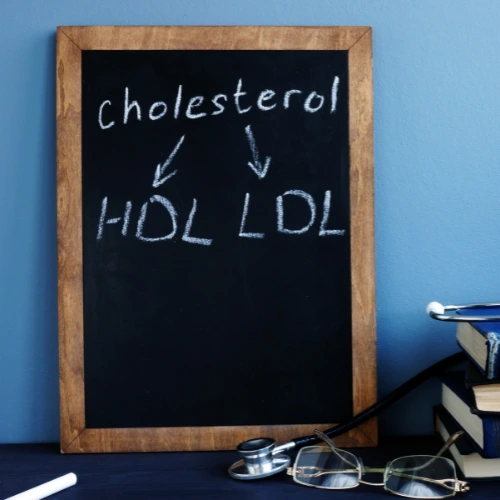
- LDL cholesterol often called “bad” cholesterol is the type that builds up along the walls of your arteries. Over time, these fatty deposits form plaques that narrow and harden the arteries, a condition known as atherosclerosis. This restricts blood flow and dramatically increases the risk of heart attacks and strokes.
- HDL cholesterol the “good” kind works in the opposite direction. It carries excess cholesterol away from the arteries and back to the liver, where it is processed and eliminated. Higher HDL levels are generally associated with better cardiovascular health.
- Triglycerides are a type of fat found in the blood. Elevated triglycerides often linked to a diet high in sugar, refined carbohydrates, and alcohol also contribute to cardiovascular risk, especially when combined with high LDL or low HDL.
A standard lipid profile test measures all three of these, giving your healthcare provider a clear picture of your cardiovascular health.
Why High Cholesterol Is Common in Dubai
Dubai is a city built on ambition and pace, and that can take a real toll on health. We see this reflected in our patients every day. Several factors common to life in the UAE make high cholesterol particularly prevalent:
- Sedentary work culture. Many residents spend eight to ten hours a day at a desk, then commute home by car. Physical activity simply does not fit naturally into the average working day.
- Dining out and convenience foods. Dubai’s food scene is extraordinary, but it is also full of high-fat, high-sodium meals eaten frequently and in large portions. Processed and fast foods affordable, accessible, and quick have become dietary staples for busy professionals and families.
- Extreme summer heat. For four to five months of the year, stepping outside for a walk or a run is genuinely uncomfortable for most people. Outdoor exercise drops sharply, and sedentary habits become even more entrenched.
- Chronic stress. Long working hours, financial pressures, and the demands of expat life all contribute to elevated cortisol levels, which can negatively affect lipid balance over time.
- Rising rates of diabetes and obesity. The UAE has among the highest rates of Type 2 diabetes in the world, and both conditions are strongly linked to dyslipidaemia abnormal cholesterol and triglyceride levels.
If any of this sounds familiar, you are far from alone. And recognising these risk factors is the first step toward doing something about them.
Signs You May Be at Risk
Since high cholesterol produces no symptoms on its own, knowing your risk factors is essential. You may be more likely to have elevated cholesterol if you:
- Have a family history of high cholesterol, heart disease, or stroke
- Have been diagnosed with Type 2 diabetes or pre-diabetes
- Have high blood pressure (hypertension)
- Are overweight or carry excess weight around the abdomen
- Smoke or have smoked in the past
- Live a largely sedentary lifestyle
- Are over 40, as cholesterol levels tend to rise with age
That said, the only reliable way to know your cholesterol levels is to test them. Many people with high LDL have none of the above risk factors, while others with multiple risk factors test perfectly normal. Annual cholesterol screening removes the guesswork entirely.
The Best Foods for Healthy Cholesterol
Diet is one of the most powerful tools available for managing cholesterol naturally. The changes do not need to be dramatic or restrictive even moderate, consistent adjustments can produce meaningful improvements in lipid levels over time.
Heart-Healthy Foods to Prioritise
- Oats and whole grains are rich in soluble fibre, which binds to cholesterol in the digestive tract and helps remove it from the body before it enters the bloodstream. Starting your day with porridge or switching white bread for whole grain options is a simple, sustainable change.
- Fruits and vegetables are packed with antioxidants, fibre, and plant sterols that actively support healthy cholesterol levels. Aim to fill at least half your plate at every meal with a variety of colourful produce.
- Nuts and seeds particularly walnuts, almonds, and flaxseeds contain healthy unsaturated fats that can help lower LDL while supporting HDL. A small handful as a snack is far more effective for your heart than a packet of crisps.
- Legumes such as lentils, chickpeas, and beans are high in both fibre and plant-based protein. They are also incredibly versatile and widely available across Dubai’s many cuisines.
- Fatty fish like salmon, sardines, and mackerel are rich in omega-3 fatty acids, which are particularly effective at lowering triglycerides and reducing inflammation in the arteries. Aim for two servings per week.
- Olive oil used in place of butter or processed vegetable oils provides heart-healthy monounsaturated fats. Extra virgin olive oil is the gold standard.
- Avocados are another excellent source of monounsaturated fats and have been shown in multiple studies to support healthy LDL and HDL levels.
Foods to Limit
- Fried foods and fast food (shawarma, fried chicken, chips)
- Processed and cured meats (sausages, salami, bacon)
- Sugary drinks, including fruit juices and sodas
- Trans fats found in many packaged biscuits, pastries, and crackers
- Highly processed convenience snacks
- Excessive full-fat dairy, particularly butter and cream
This does not mean complete elimination. It means making these foods occasional rather than everyday choices.
Lifestyle Habits That Improve Cholesterol Naturally
Diet works best when paired with broader lifestyle changes. Here are the habits we consistently recommend to our patients:
- Regular physical activity is one of the most effective natural ways to raise HDL and lower LDL. You do not need intense training 30 minutes of brisk walking most days makes a genuine difference. During Dubai’s hot summer months, indoor options like the gym, swimming pools, mall walking, or home workouts keep momentum going year-round. Strength training two to three times per week adds additional cardiovascular benefit.
- Sustainable weight management has a direct positive effect on lipid levels. Losing even five to ten percent of body weight can lead to measurable improvements in LDL, HDL, and triglycerides. Gradual, consistent progress rather than crash dieting is both more effective and more maintainable.
- Stress management matters more than most people realise. Chronic stress elevates cortisol, which can raise LDL and triglycerides while lowering HDL over time. Building regular decompression into your routine whether through exercise, mindfulness, social connection, or hobbies protects your heart as much as it protects your mental health.
- Quality sleep is an often-overlooked factor in cardiovascular health. Poor sleep is associated with higher LDL, increased triglycerides, and weight gain. Aiming for seven to eight hours of consistent, restorative sleep each night is a legitimate heart-health strategy.
- Quitting smoking has one of the most rapid and significant effects on HDL cholesterol of any lifestyle change. Within weeks of stopping, HDL levels begin to rise and overall cardiovascular risk starts to drop.
The Importance of Regular Cholesterol Testing
Understanding your numbers is not a one-time event. Cholesterol levels can shift significantly with changes in diet, activity, stress, or medication. Regular lipid profile testing gives you and your healthcare provider the data needed to track progress, catch problems early, and make informed decisions about treatment.
We generally recommend:
- Annual lipid screening for adults over 40, or younger adults with risk factors
- More frequent monitoring if you have diabetes, hypertension, or a family history of cardiovascular disease
- Follow-up testing after starting or adjusting cholesterol-lowering medication
Through our Lab at Home service, we make it easy to get a full lipid profile without the time and inconvenience of visiting a clinic. A trained phlebotomist comes to your home or office at a time that works for you, and results are delivered promptly through our secure platform. For busy professionals and families across Dubai, this kind of accessible, on-demand testing removes the most common barrier to preventive healthcare: finding the time.
How We Support Heart Health at Alpha Intelligent Care
Managing cholesterol is not just about what you do at home it is also about having the right medical support when you need it. At Alpha Intelligent Care, we offer a fully integrated model of care that meets you where you are.
Our Doctor on Call service connects you with a DHA-licensed physician for a cholesterol review, cardiovascular risk assessment, or medication consultation at home, on the same day you reach out. Whether you have just received a concerning lab result or simply want a professional opinion on your heart health, our doctors provide personalised guidance without the waiting room.
Our Nurses at Home team supports patients managing ongoing conditions such as hypertension, diabetes, or established cardiovascular disease. Regular home visits for blood pressure monitoring, chronic disease management, and health education help keep your care consistent and proactive particularly important for patients managing cholesterol alongside other conditions.
Our Lab at Home service offers lipid profiles, diabetes screening (HbA1c, fasting glucose), and a full range of cardiovascular wellness tests, all collected at your convenience and processed through accredited laboratories.
Together, these services are designed to make preventive cardiovascular care genuinely accessible for Dubai’s diverse, busy population.
Practical Heart-Healthy Habits for Everyday Life
Small, consistent actions compound into significant long-term results. Here is a simple checklist to keep in your daily routine:
- Read nutrition labels and watch for hidden trans fats and added sugars
- Take a 10–15 minute walk after meals even a short stroll helps regulate blood lipids
- Drink plenty of water and reduce sugary beverages, including juices and energy drinks
- Schedule your annual lipid profile and do not skip it
- Track your blood pressure regularly, especially if you have hypertension
- Aim for seven to eight hours of sleep each night
- Choose grilled, baked, or steamed options when eating out instead of fried
- Swap white rice or bread for whole grain alternatives where possible
- Keep nuts or fruit at your desk for when you need a snack at work
Frequently Asked Questions
What is a healthy cholesterol level?
For most healthy adults, a desirable total cholesterol level is below 200 mg/dL, with LDL under 100 mg/dL and HDL above 40 mg/dL for men or 50 mg/dL for women (higher HDL is better). Triglycerides should ideally stay below 150 mg/dL. If you have diabetes, existing heart disease, or other cardiovascular risk factors, your doctor may recommend a stricter LDL target, sometimes below 70 mg/dL. The only way to know your actual numbers is through a lipid profile blood test.
Can high cholesterol be reversed without medication?
In many cases, yes, particularly for people with mild to moderately elevated cholesterol and no existing cardiovascular disease. Sustained changes to diet (more fibre, healthy fats, and fewer processed foods), regular physical activity, weight management, and quitting smoking can meaningfully improve LDL, HDL, and triglyceride levels within a few months. Some people, especially those with a genetic predisposition or more significantly elevated levels, may still need medication alongside lifestyle changes. A doctor on call consultation can help you understand which approach is right for your specific results.
How often should I get my cholesterol checked?
Most healthy adults should have a lipid profile every four to six years starting around age 20. If you are over 40, have diabetes or hypertension, carry excess weight, smoke, or have a family history of heart disease, annual or more frequent testing is generally recommended. Anyone already on cholesterol-lowering medication should also retest a few weeks after starting or adjusting treatment to see how their body is responding.
Does high cholesterol have any symptoms?
Almost never in its early stages. High cholesterol is widely described as a “silent” condition because it typically causes no pain, fatigue, or other noticeable signs, even as it contributes to plaque buildup in the arteries. Symptoms related to cholesterol, such as chest pain or shortness of breath, usually only appear once cardiovascular disease has already progressed significantly. This is exactly why routine screening, rather than waiting for symptoms, is the most reliable approach.
What foods should I avoid if I have high cholesterol?
Limit fried foods, fast food, processed and cured meats, sugary drinks, trans fats (common in packaged biscuits and pastries), and highly processed snacks. You do not need to eliminate these completely. Treating them as occasional choices rather than daily staples, while building meals around fibre-rich whole grains, vegetables, legumes, nuts, and fatty fish, tends to be far more sustainable than strict elimination diets.
Is high cholesterol common in Dubai?
Yes. Long working hours, frequent dining out, limited outdoor activity during the hotter months, and rising rates of diabetes and obesity across the UAE all contribute to higher rates of dyslipidaemia among residents and expats. This makes preventive screening and lifestyle awareness especially relevant for people living and working in Dubai.
Can I get a cholesterol test done at home in Dubai?
Yes. Through our Lab at Home service, a trained phlebotomist can collect your sample at your home or office at a time that suits your schedule, with results processed through accredited laboratories. This removes one of the most common barriers to regular testing, which is simply finding the time to visit a clinic.
How does exercise affect cholesterol?
Regular physical activity, including brisk walking, swimming, and strength training, helps raise HDL (“good”) cholesterol while supporting healthy LDL and triglyceride levels. You do not need intense workouts to see benefits. Around 30 minutes of moderate activity most days of the week is enough to make a measurable difference over time, and indoor options work well during Dubai’s hotter months.
What is the difference between LDL, HDL, and triglycerides?
LDL cholesterol carries fat through the bloodstream and can build up in artery walls if levels are too high, which is why it is called “bad” cholesterol. HDL cholesterol does the opposite, helping clear excess cholesterol from the arteries and carrying it back to the liver, which is why it is considered “good” cholesterol. Triglycerides are a separate type of blood fat that store unused energy from food. Elevated triglycerides, especially alongside high LDL or low HDL, further increase cardiovascular risk.
What should I do if my cholesterol test comes back high?
Start by speaking with a doctor to understand your full cardiovascular risk profile rather than focusing on a single number. Our Doctor on Call service allows you to review your results with a DHA-licensed physician at home, discuss whether lifestyle changes alone may be sufficient, and determine whether medication or further testing is needed. For ongoing management, our Nurses at Home team can also support ongoing monitoring and chronic disease care.
Conclusion: Your Heart Health Is Worth Prioritising
High cholesterol is not a verdict. It is a signal one that, when caught early and acted on consistently, leads most people to genuinely excellent long-term outcomes. The combination of a heart-healthy diet, regular physical activity, stress management, and routine testing is more powerful than many people expect.
Prevention is always easier than treatment. And the choices you make today at the dinner table, during your lunch break, on the weekend add up to a very different cardiovascular future.
We at Alpha Intelligent Care are here to support you at every stage of that journey. Whether you are starting with a first cholesterol test, working to bring elevated levels down naturally, or managing your lipids alongside another chronic condition, our team is ready to help at home, on your schedule, and on your terms.
Book a Lab at Home test today, or speak with one of our doctors to review your cardiovascular risk and build a personalised plan for your heart health.
References
- American Heart Association. HDL (Good), LDL (Bad) Cholesterol and Triglycerides. heart.org. https://www.heart.org/en/health-topics/cholesterol/hdl-good-ldl-bad-cholesterol-and-triglycerides
- American College of Cardiology / American Heart Association. 2026 Guideline on the Management of Dyslipidemia. Circulation, 2026. https://www.ahajournals.org/doi/10.1161/CIR.0000000000001423
- Centers for Disease Control and Prevention. Testing for Cholesterol. cdc.gov. https://www.cdc.gov/cholesterol/testing/index.html
- National Heart, Lung, and Blood Institute (NIH). Blood Cholesterol – Diagnosis. nhlbi.nih.gov. https://www.nhlbi.nih.gov/health/blood-cholesterol/diagnosis
- Mayo Clinic. Cholesterol: Top Foods to Improve Your Numbers. mayoclinic.org. https://www.mayoclinic.org/diseases-conditions/high-blood-cholesterol/in-depth/cholesterol/art-20045192
- Harvard Health Publishing. 11 Foods That Lower Cholesterol. health.harvard.edu, 2024. https://www.health.harvard.edu/heart-health/11-foods-that-lower-cholesterol-4BTQX4EV
- American College of Cardiology. Prioritizing Health: Dietary Approaches for Elevated LDL-C. acc.org, 2025. https://www.acc.org/Latest-in-Cardiology/Articles/2025/07/01/01/Prioritizing-Health-Dietary-Approaches-For-Elevated-LDL-C
- Population-based study reporting UAE-wide dyslipidemia prevalence of 73% and hypertension prevalence of 31%. ResearchGate (data figure). https://www.researchgate.net/figure/Flow-chart-of-subject-selection-from-UAE-National-Diabetes-and-Lifestyle-Study-UAE_fig1_337494452
- Frontiers in Endocrinology. Lifestyle Habits and Type 2 Diabetes Traits in Patients from Healthcare Centers in Dubai, United Arab Emirates: A Cross-Sectional Study, 2025. https://www.frontiersin.org/journals/endocrinology/articles/10.3389/fendo.2025.1436536/full
- PMC (National Library of Medicine). Lipid Control in Patients with Diabetes across Primary and Tertiary Government Health Sectors in Dubai: A Five-Year Pattern. https://pmc.ncbi.nlm.nih.gov/articles/PMC6642714/
Alpha Intelligent Care is a DHA-licensed healthcare provider offering Doctor on Call, Nurses at Home, and Lab at Home services across Dubai.
This article was medically reviewed by: Dr. Toqa Ibrahim, a DHA-licensed physician & Medical Director at Alpha Intelligent Care in Dubai.
DHA License No: 38392201-002